Zero-Based Budgeting Gives Every Dollar a Purpose in 2025
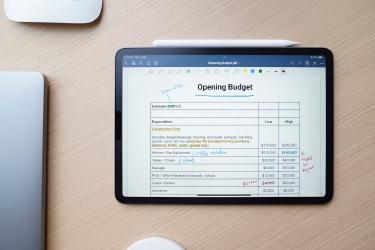
Zero-based budgeting operates on a simple principle: every dollar gets a job before the month begins. Unlike traditional budgeting methods that focus on tracking past spending, this approach requires building each month’s budget from scratch. Income minus planned expenses should equal exactly zero.
The concept originated in corporate finance during the 1970s when Texas Instruments executive Peter Pyhrr developed it for business cost management. Personal finance experts later adapted it for household use, and it’s gained significant traction among FIRE practitioners seeking to maximize savings rates.
How Zero-Based Budgeting Actually Works
The mechanics are straightforward but demand attention to detail. At the start of each month (or before), total expected income is calculated. Every dollar of that income then receives a specific assignment-rent, groceries, investments, debt payments, entertainment, and so on.
Here’s where it differs from conventional budgeting: if monthly income is $5,000, expenses plus savings must total exactly $5,000. Not $4,800 with $200 “floating around. " That remaining $200 needs a designated purpose, whether it’s an extra debt payment, emergency fund contribution, or planned discretionary spending.
A 2023 Ramsey Solutions study found that consistent zero-based budgeters paid off 19% more debt than those using other methods over a 12-month period. The discipline of intentional allocation appears to reduce financial leakage-those small, unplanned purchases that accumulate unnoticed.
The Monthly Reset: Feature or Bug?
Critics often cite the monthly rebuild as zero-based budgeting’s biggest drawback. Starting fresh every 30 days requires 2-4 hours of planning time initially, though experienced practitioners report this drops to 30-60 minutes once categories and patterns are established.
But this reset is actually the method’s core strength. Fixed budgets assume stable spending patterns. Reality doesn’t work that way - december brings holiday expenses. March might include annual insurance premiums. Summer months mean higher utility costs in warm climates.
Zero-based budgeting forces confrontation with these fluctuations. A family expecting $400 in back-to-school expenses can’t pretend August looks like February. The monthly rebuild makes variable expenses visible and planned rather than surprising and disruptive.
Traditional percentage-based budgets-the 50/30/20 rule, for example-provide useful guidelines but lack this granularity. Telling someone to spend 50% on needs doesn’t help when their rent alone consumes 45% and student loans take another 15%.
use: Getting Started Without Overwhelm
Beginners typically fail at zero-based budgeting for one reason: they try to predict spending perfectly on month one. This isn’t the goal. The first three months should be considered calibration periods.
Start by listing fixed expenses-amounts that don’t change monthly. Rent or mortgage, car payments, insurance premiums, subscription services. These are easy. They’re the same every month and likely auto-drafted anyway.
Variable necessities come next - groceries, fuel, utilities. These fluctuate but fall within predictable ranges. Review three months of bank statements to establish baseline estimates. A household spending $600-$750 monthly on groceries might budget $700 and adjust based on actual results.
Discretionary categories require the most honesty. Entertainment, dining out, clothing, hobbies. Most people underestimate these by 30-40% in initial budgets, according to behavioral finance research from Duke University. Don’t be aspirational here. Budget for realistic behavior, then work toward desired behavior over time.
Savings and debt payments should be treated as non-negotiable expenses, not afterthoughts. FIRE adherents often allocate these first-a practice called “paying yourself first”-then build remaining categories around what’s left.
Tools and Tracking Methods
Zero-based budgeting predates smartphone apps, but technology has simplified execution. YNAB (You Need A Budget) was built specifically around this philosophy. Reports that new users save an average of $600 in their first two months and over $6,000 in the first year.
EveryDollar offers a free version with manual transaction entry and a paid version with bank synchronization. EveryDollar reports their premium users have paid off $10 billion in debt collectively since 2015.
Spreadsheet devotees aren’t disadvantaged. A simple template tracking income, budget amounts, actual spending, and variance accomplishes the same purpose. Some practitioners prefer spreadsheets because the manual entry process increases spending awareness.
The tracking method matters less than consistency. Any system that allows real-time monitoring of category balances and prompts mid-month adjustments will work. Checking budget status once weekly prevents month-end surprises.
Handling Irregular Income
Freelancers and commission-based workers often dismiss zero-based budgeting as impractical for variable incomes. This misses a key adaptation: budgeting from last month’s income rather than this month’s.
With this modification, April’s earnings fund May’s budget. Income variability still exists, but the budget itself operates on known figures. A consultant earning $8,000 in April knows exactly that amount is available for May’s allocation, eliminating guesswork.
During high-income months, surplus funds flow to buffer categories-a “hold for lean months” line item that smooths income volatility. Financial advisors typically recommend 3-6 months of expenses in this buffer for irregular earners, compared to 1-2 months for steady salary workers.
When Zero-Based Budgeting Doesn’t Fit
Not every financial situation benefits from this approach. Households with extremely stable expenses and automated savings may find the monthly rebuild creates unnecessary friction. If someone saves 25% automatically, never carries credit card debt, and rarely overspends in any category, zero-based budgeting adds work without proportional benefit.
Couples with significantly different financial philosophies sometimes clash over the method’s rigidity. One partner may experience the detailed allocation as controlling rather than empowering. These dynamics require resolution before use; zero-based budgeting will expose, not fix, fundamental disagreements about money.
Individuals recovering from financial trauma-bankruptcy, divorce, job loss-sometimes find the monthly confrontation with numbers anxiety-inducing rather than empowering. A simpler system might serve as a bridge until emotional readiness develops.
Measuring Success Beyond Perfect Months
Zero-based budgeting success isn’t measured by never exceeding a category. Overspending happens - emergencies arise. The transmission fails - the dog needs emergency surgery.
Success metrics should focus on:
- Knowing where money went, even if plans changed
- Making conscious decisions to reallocate rather than spending blindly
- Trending toward goals over 6-12 month periods
- Reducing unplanned expense frequency over time
A budget exceeded consciously is different from one exceeded unknowingly. When the grocery category runs dry mid-month, the zero-based budgeter decides: pull from dining out, entertainment, or next month’s allocation? This decision-making is the point. Money stops happening to the budgeter; the budgeter happens to money.
Long-Term Integration With Financial Planning
Zero-based budgeting functions as a tactical tool within broader strategic planning. It determines monthly cash flow allocation but doesn’t replace retirement projections, insurance reviews, or estate planning.
FIRE practitioners often pair the method with annual spending reviews and net worth tracking. Monthly budgets ensure savings rates stay on target. Annual reviews confirm those savings rates will actually produce financial independence within desired timeframes.
The method scales well with income increases. Lifestyle inflation-the tendency to spend more as earnings grow-becomes visible immediately when every raise requires conscious allocation. This visibility alone helps many practitioners maintain flat or slowly-growing expenses as income rises, accelerating wealth accumulation.
Twelve months of zero-based budgeting data also improves forecasting accuracy. Year two budgets can reference year one actuals, reducing the guesswork that frustrates beginners. Patterns emerge - true spending baselines become clear. And every dollar continues earning its assignment.