How to Reduce Your Grocery Bill Without Sacrifice
How to Reduce Your Grocery Bill Without Sacrifice
The average American household spent $475 per month on groceries in 2023, according to Bureau of Labor Statistics data. That figure climbed 11 - 4% from the previous year. For families pursuing financial independence, those numbers represent a significant drag on savings rates and investment potential.
But here’s the thing: most people approach grocery savings backwards. They clip coupons for products they wouldn’t otherwise buy, or they stock up on deals that expire before consumption. Strategic food budgeting requires a different framework entirely.
The True Cost of Unplanned Shopping
Research from the Food Marketing Institute reveals that unplanned purchases account for 50-60% of grocery spending. That’s not a typo. More than half of what ends up in shopping carts wasn’t on the list.
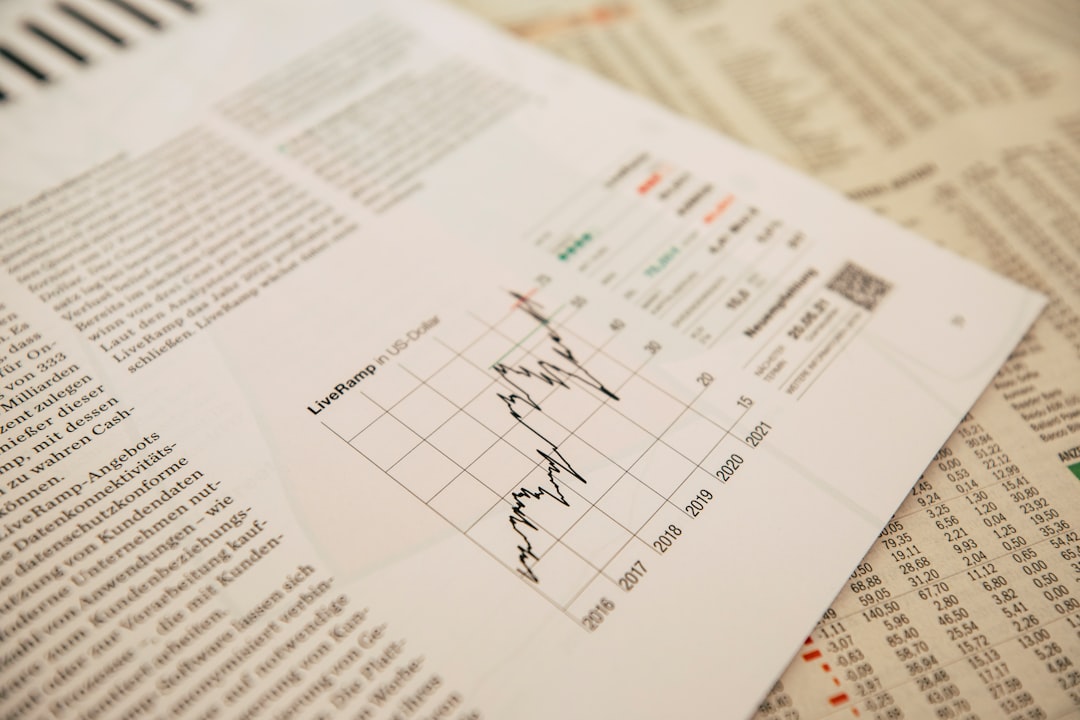
The FIRE community often obsesses over investment returns and expense ratios. A 0. 1% difference in fund fees gets dissected endlessly. Yet the same households hemorrhage $200+ monthly through inefficient food purchasing. The math doesn’t work.
Consider a household spending $600 monthly on groceries. Reducing that to $450 through systematic planning generates $1,800 annual savings. Invested over 20 years at 7% returns, that compounds to roughly $73,000. From groceries.
Meal Planning as Investment Strategy
Professional financial advisors recommend treating meal planning like portfolio management. Both require:
- Defined objectives
- Regular rebalancing
- Data-driven decisions
- Long-term perspective
The most effective meal planners operate on a 2-week cycle. One week is too short for meaningful inventory management. Beyond two weeks, plans become theoretical rather than actionable.
Start with protein anchors. Chicken, ground beef, eggs, beans-whatever fits dietary preferences. Build meals outward from these foundations. A 5-pound bag of chicken thighs ($12-15) yields approximately 10 servings across multiple dishes: stir-fry, tacos, grain bowls, soup.
Then identify overlap ingredients. Onions appear in virtually everything savory. Buy them in bulk. Same with garlic, olive oil, rice, and canned tomatoes. These pantry staples reduce per-meal costs dramatically when purchased strategically.
The Unit Price Revolution
Grocery stores employ sophisticated pricing psychology. Package sizes, shelf placement, sale tags-all engineered to obscure true value.
Unit pricing cuts through the noise. That $3. 99 cereal box looks cheaper than the $5. 49 alternative - but at $0. 31 per ounce versus $0. 22, the larger package delivers 29% more value.
Most stores display unit prices on shelf tags. Look for small print showing cost per ounce, pound, or count. Some don’t. Bringing a calculator (phones work fine) pays dividends.
Warehouse clubs like Costco and Sam’s present complications here. The unit prices often beat traditional grocers by 20-40%. But bulk quantities create waste unless households actually consume the products. A case study: 48 oz of sour cream at Costco costs less per ounce than a 16 oz container at Kroger. But if half spoils before use, the economics invert entirely.
Strategic Store Selection
Brand loyalty costs money - period.
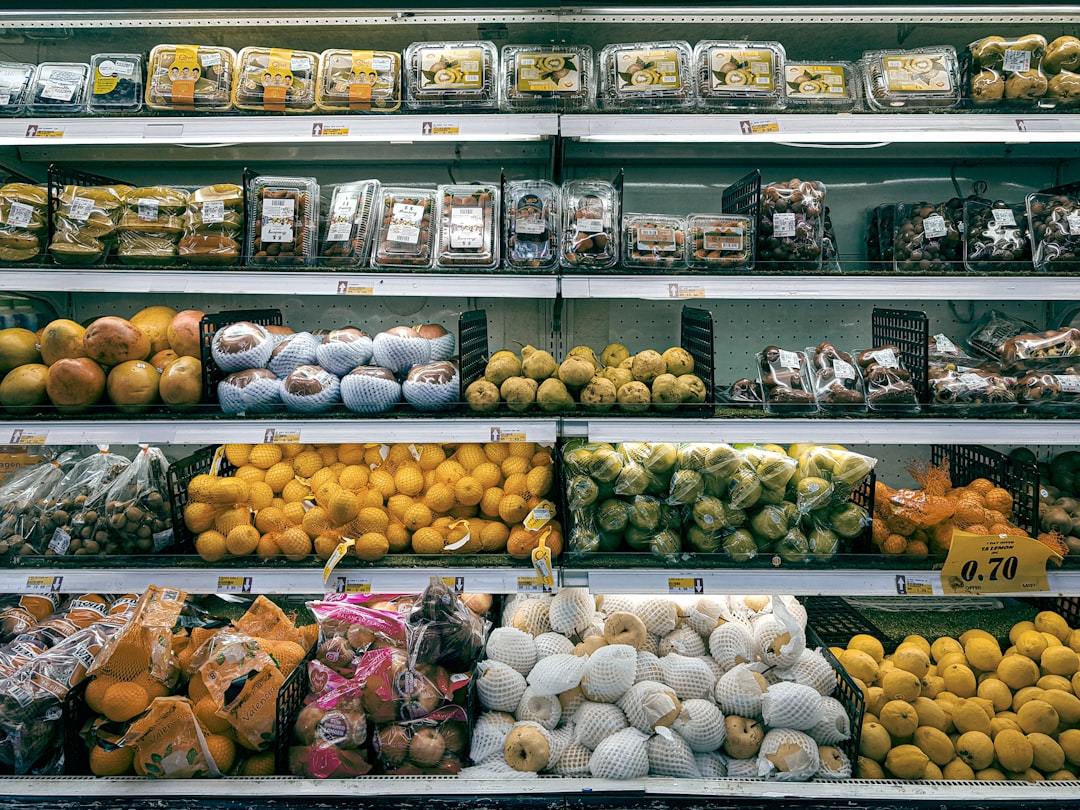
Grocery pricing varies substantially by retailer, category, and geography. Aldi consistently beats traditional supermarkets by 15-25% on comparable products. Trader Joe’s excels at specialty items. Ethnic markets often offer superior produce and meat pricing.
The optimal strategy involves identifying 2-3 stores and allocating purchases accordingly:
Aldi/Lidl: Staples, dairy, bread, produce basics Traditional grocer: Loss leaders, specific brands when necessary Ethnic markets: Spices, rice, produce, specialty proteins
Yes, multiple store trips require time investment. But consolidating into weekly shopping blocks-perhaps Aldi one week, supplemented by others-minimizes friction while capturing savings.
Waste Reduction: The Hidden Budget Leak
The USDA estimates American households waste 30-40% of food purchased. At $500 monthly grocery spending, that’s $150-200 literally thrown away.
Most waste stems from three sources: overbuying, improper storage, and forgotten leftovers.
Overbuying connects directly to meal planning. Without plans, shoppers purchase “just in case” items that never get used. The wilted lettuce bag - the aspirational kale. The optimistic yogurt multipacks.
Storage matters more than most realize. Berries last twice as long unwashed in paper towel-lined containers. Herbs survive weeks in water, refrigerated. Bread freezes perfectly for months. Avocados ripen faster in paper bags, slower once ripe in refrigerators.
Leftovers require systems. Dedicated containers, visible placement in refrigerators, and scheduled “leftover nights” ensure consumption before spoilage.
The Protein Problem
Meat typically represents 25-35% of grocery budgets. It’s also where the most dramatic savings exist.
Pricing hierarchy follows predictable patterns:
- Whole chickens: $1. 50-2 - 50/lb
- Chicken pieces: $2. 50-4 - 00/lb
- Boneless breasts: $3. 50-6.
The price premium for convenience is substantial. Learning basic butchery-breaking down a whole chicken takes 10 minutes with practice-yields restaurant-quality portions at fraction prices.
Ground beef pricing rewards attention. 80/20 ground beef often costs less per pound of actual protein than 93/7 lean. The math: 80/20 at $4 - 99/lb yields 12. 8 oz of protein post-cooking - 93/7 at $6. 99/lb yields approximately 14 - 8 oz. The lean premium doesn’t justify the price differential for many applications.
Plant proteins deserve consideration regardless of dietary philosophy. Dried beans cost $1 - 50-2. 00 per pound, yielding roughly 6 cups cooked-equivalent protein to 2+ pounds of chicken at one-sixth the cost.
Seasonal Purchasing and Preservation
Produce pricing fluctuates 200-400% seasonally - tomatoes cost $0. 99/lb in August, $3 - 99/lb in February. Berries follow similar patterns.
Strategic households align consumption with availability:
- Summer: tomatoes, corn, berries, stone fruits, zucchini
- Fall: apples, squash, root vegetables, pears
- Winter: citrus, cabbage, potatoes, onions
- Spring: asparagus, peas, leafy greens
Preservation extends seasonal advantages. Freezing berries at peak season captures $2. 99/lb prices for January smoothies that would otherwise cost $5. 99+. Canning tomatoes-or simply buying canned during harvest sales-provides year-round access at summer prices.
A chest freezer ($150-300, lasting 15-20 years) enables bulk purchasing of proteins during sales, seasonal produce preservation, and batch cooking economies. The return on investment often exceeds 100% annually for strategic users.
Cash Back and Reward Stacking
Grocery spending generates 2-6% cash back through credit cards improved for the category. The Blue Cash Preferred from American Express offers 6% at U. S. supermarkets (capped at $6,000 annual spending). Chase Freedom Flex and Discover it rotate grocery categories quarterly at 5%.
Stacking matters. Ibotta and Fetch provide receipt-scanning rebates averaging $5-15 monthly with minimal effort. Store loyalty programs add another 1-3% in points or discounts. Digital coupons from store apps require seconds to load.
The aggregate: 8-10% return on grocery spending through systematic reward capture. On $500 monthly, that’s $40-50 back-$480-600 annually with perhaps 30 minutes total monthly time investment.
Building Sustainable Habits
Dramatic changes fail - incremental improvements compound.
Start with one intervention: meal planning for dinners only, or switching to store brands in three categories, or useing leftover management systems. Master each before adding complexity.
Track spending for three months minimum before establishing budgets. Most households underestimate grocery costs by 20-30%. Accurate baselines enable meaningful targets.
The goal isn’t deprivation. Households pursuing FIRE understand this distinction. The goal is value optimization-maximizing nutrition, enjoyment, and convenience per dollar spent.
A $100 weekly grocery budget that provides nutritious, enjoyable meals represents better living than $175 spent carelessly. The $300+ monthly difference accelerates financial independence timelines by years.
That’s not sacrifice - that’s strategy.