Build a 12-Month Emergency Fund for Economic Uncertainty
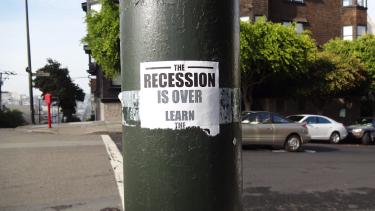
Financial advisors have traditionally recommended keeping three to six months of expenses in an emergency fund. That guidance made sense during periods of economic stability. But the economic area has shifted dramatically, and the old rules may leave households dangerously exposed.
A 12-month emergency fund represents a more realistic buffer against today’s economic uncertainties-extended job searches, industry disruptions, and the compounding effect of simultaneous financial shocks.
Why Traditional Emergency Fund Advice Falls Short
The three-to-six-month guideline originated in an era when job searches averaged four to six weeks and most industries offered relatively stable employment. According to Bureau of Labor Statistics data from late 2024, the median duration of unemployment reached 23. 7 weeks-nearly six months. For workers over 55, that figure climbs to 29. 3 weeks.
These numbers tell only part of the story. They don’t account for underemployment, reduced hours, or the time needed to find work at comparable compensation. A senior marketing director earning $150,000 annually might find a job within three months-at $95,000. That’s technically employment, but the financial impact mirrors job loss.
The Federal Reserve’s Survey of Household Economics and Decision-making found that 37% of Americans couldn’t cover an unexpected $400 expense without borrowing or selling something. Extrapolate that vulnerability across six months of living expenses, and the fragility becomes clear.
Calculating Your Actual 12-Month Target
Most people underestimate their true monthly expenses by 15-25%. They account for rent and utilities but forget annual insurance premiums, car maintenance, pet expenses, and the inevitable “miscellaneous” category that somehow absorbs $300-500 monthly.
Start with bank and credit card statements from the past 12 months. Not the past three months-a full year. You’ll capture quarterly expenses, annual subscriptions, holiday spending, and summer vacation costs that skew monthly averages.
A practical calculation method:
Core expenses (non-negotiable): housing, utilities, food, insurance, minimum debt payments, transportation, childcare, medications
Reduced lifestyle expenses (could cut but prefer not to): streaming services, gym membership, dining out, clothing
Emergency-mode expenses (what you’d actually spend during extended job loss): typically 70-80% of normal spending
Multiply your emergency-mode monthly figure by 12. That’s your target. For a household spending $6,000 monthly in normal times, emergency-mode spending might be $4,500-yielding a $54,000 target.
Seems overwhelming - it should. That reaction appropriately reflects the magnitude of financial security required to weather genuine economic disruption.
The Opportunity Cost Argument Against Large Cash Reserves
Critics of extended emergency funds point to opportunity cost. Money sitting in a savings account earning 4. 5% APY could theoretically generate higher returns in equity markets. Over 10 years, the difference between savings rates and average stock market returns compounds substantially.
This argument has mathematical merit and practical limitations.
First, emergency funds aren’t investment vehicles. They’re insurance. Nobody criticizes homeowners insurance for failing to generate investment returns. The purpose is protection, not growth.
Second, the opportunity cost calculation assumes the money remains untouched for a decade. Real emergencies don’t schedule themselves around market performance. Accessing a depleted 401(k) or selling investments during a market downturn-often exactly when job losses spike-creates realized losses that dwarf any foregone returns.
Research from Vanguard published in 2023 found that households maintaining adequate emergency reserves were 2. 5 times more likely to remain invested during market volatility. The psychological security of cash reserves prevents panic selling that devastates long-term returns.
Building the Fund: A Phased Approach
Phase 1: The Starter Fund (Months 1-3)
Accumulate $1,000-2,500 as quickly as possible. This mini-fund handles minor emergencies-car repairs, appliance replacements, medical copays-without derailing the larger savings effort. Sell unused items, redirect tax refunds, or take on temporary side work.
Phase 2: The Foundation (Months 4-12)
Target three months of expenses. This phase requires systematic savings-ideally 15-20% of take-home pay. Automate transfers to a separate high-yield savings account on payday. Money you never see in your checking account never gets spent.
Phase 3: The Buffer (Months 13-24)
Expand to six months. At this stage, consider splitting funds between savings accounts at different institutions. FDIC insurance covers $250,000 per depositor, per institution-unlikely to be relevant for most emergency funds, but worth knowing.
Phase 4: Full Protection (Months 25-36)
Reach the 12-month target. This final phase often progresses faster than earlier ones. Lifestyle inflation has been avoided, savings habits are ingrained, and compound interest on existing balances accelerates growth.
Where to Keep Extended Emergency Funds
Liquidity matters more than yield for emergency reserves. The highest-APY account means nothing if funds take five business days to transfer during a crisis.
High-yield savings accounts at online banks currently offer 4. 0-5. 0% APY with next-day ACH transfers. Marcus, Ally, and Discover consistently rank among top options, though rates fluctuate with Federal Reserve policy.
Money market accounts provide similar yields with check-writing capability-useful for immediate expenses like rent or mortgage payments that require specific payment methods.
Treasury bills (T-bills) work well for the portion of emergency funds beyond immediate needs. A 4-week T-bill laddering strategy maintains liquidity while capturing Treasury rates. Through TreasuryDirect. gov, bills can be purchased directly without brokerage fees.
Avoid certificates of deposit (CDs) for emergency funds despite attractive rates. Early withdrawal penalties-typically 3-6 months of interest-defeat the purpose of accessible reserves.
Protecting Your Fund From Yourself
The greatest threat to emergency funds isn’t inflation or low interest rates. It’s reclassifying non-emergencies as emergencies.
A concert ticket doesn’t constitute an emergency. Neither does a vacation deal, a furniture sale, or an “investment opportunity” from a college roommate. These justifications slowly erode reserves until the account balance no longer provides meaningful protection.
Some households benefit from friction-making the money slightly harder to access. A savings account at a separate bank without linked checking reduces impulse transfers. Requiring two account holders to authorize withdrawals creates accountability.
Define emergencies explicitly before they occur. Job loss, major medical expenses, essential home or car repairs, family emergencies requiring travel-write the list and commit to it.
When 12 Months Isn’t Enough
Certain circumstances warrant even larger reserves:
- Single-income households with dependents
- Self-employed individuals with variable income
- Workers in volatile industries (tech, finance, media, real estate)
- Households with high fixed expenses that can’t be quickly reduced
- Those within five years of retirement
- Individuals with chronic health conditions requiring ongoing treatment
For these situations, 18-24 months of expenses provides appropriate security. Yes, that’s a significant cash position. It’s also the difference between handling hardship and experiencing financial catastrophe.
The Psychological Return on Emergency Funds
Financial security compounds beyond balance sheets. A Bankrate survey found that money concerns rank as Americans’ top source of stress-ahead of work, relationships, and health combined.
Adequate emergency reserves change decision-making. Workers with financial cushions negotiate more effectively, take calculated career risks, and avoid staying in toxic work environments out of desperation. They sleep better. Their relationships suffer less financial strain.
These benefits don’t appear in compound interest calculators. They don’t show up in net worth statements. But they represent genuine returns on the “investment” of maintaining cash reserves.
Building a 12-month emergency fund takes time-often two to three years of consistent effort. The process itself builds financial discipline that extends to other areas: reduced impulse spending, more thoughtful major purchases, clearer long-term planning.
Start this week - calculate your emergency-mode expenses. Open a dedicated high-yield savings account. Set up automatic transfers. The economic environment won’t wait for convenient timing, and neither should preparation for it.